Best Time to Visit Malta: A Month-by-Month Guide from Local Hosts
People ask us this all the time, and the honest answer is: it depends on what you want from Malta. If you're after warm sea, long evenings and swimming without August's crush, aim for May–June or September–October — those shoulder months are, for most people, the sweet spot. If you'd rather have the temples, fortifications and harbour towns almost to yourself, with mild sunshine while the rest of Europe shivers, winter is genuinely underrated — Malta is one of the few places in Europe where a January café table in the sun is a realistic plan. July and August are for committed sun-worshippers who don't mind heat and crowds.
We live in Senglea, on the Grand Harbour, so what follows is a month-by-month picture of the year as we actually experience it — the weather as it typically behaves, how the sea feels, how busy things get, and what's usually going on. Temperatures below are typical ranges rather than promises; Malta's weather is reliable by northern European standards, but it still does what it likes.
Malta in January
January is Malta's quietest month, and one of our favourites for exactly that reason. Daytime temperatures are typically around 15–16°C, often warmer in the sun and out of the wind — proper coat weather by Maltese standards, light-jumper weather if you've flown in from Manchester. You'll get bright, blue-sky days mixed with the odd stretch of rain and wind; when a northerly blows across the harbour it feels colder than the numbers suggest, so bring a windproof layer.
The sea is typically around 16–17°C — swimmable only for the hardy locals you'll see doing their daily dip regardless. But this is superb sightseeing weather. Valletta, Mdina and the Three Cities are wonderfully calm, you'll walk into museums and cafés without queuing, and accommodation is at its cheapest. Restaurants keep shorter hours in the smaller towns, and some beach-resort areas feel half-asleep — which is why we'd steer winter visitors towards the harbour towns, where life carries on all year.
Who it suits: sightseers, walkers, photographers, anyone escaping northern winter on a budget who doesn't need a beach.
Malta in February
February is much like January on paper — typically around 15–16°C by day, the sea at its coldest (around 15–16°C), and a mix of crisp sunny days and blustery wet ones. It's statistically among the cooler, wetter months, but even so you'll usually get plenty of usable sunshine, and the light over the Grand Harbour on a clear February morning is something special.
The big draw is carnival, which Malta has celebrated for centuries in the run-up to Lent — expect colourful floats, costumes and general noisy joy, with Valletta at the heart of it (check exact dates for the year you're travelling, as they shift with Easter). It's also almond-blossom season in the countryside, and a lovely time for coastal walks — the island is green in a way summer visitors never see.
Who it suits: culture-focused travellers, carnival-goers, couples after a cheap and quiet city-style break with better weather than home.
Malta in March & April
Spring is when Malta wakes up. March typically sees daytime temperatures around 16–18°C, climbing to around 20–22°C by late April, and the countryside is at its greenest — if you want to walk the coast paths of Malta or Gozo in wildflowers rather than scorched brown, this is the window. The sea is still cool (typically around 15–17°C), so swimming is for the brave, but sitting outside for lunch becomes the default rather than a gamble.
Holy Week and Easter are a genuinely moving time to be here, especially around the harbour: solemn Good Friday processions wind through towns including the Three Cities, followed by joyful Easter Sunday celebrations. Malta also marks Freedom Day at the end of March, traditionally with regatta boat races in the Grand Harbour — watching from Senglea's waterfront is a treat if your dates line up. Crowds build noticeably over Easter itself, so book ahead for that week; otherwise spring is pleasantly busy rather than crowded.
Who it suits: walkers, families over Easter holidays, sightseers who want warmth without heat.
Malta in May & June
If you made us pick one period, this might be it. May typically brings daytime temperatures around 23–25°C, June around 27–29°C, with rain increasingly rare and long, bright evenings. The sea warms steadily — typically around 19–21°C in May and 23–24°C by late June — so by June you're swimming properly, not just dashing in and out.
Crowds are building but still civilised: you can visit the Hypogeum (book well ahead regardless), wander Mdina, and find space on the beaches. The first of the summer village festas begin — each parish honours its patron saint with band marches, street decorations and serious fireworks, and hearing one echo across the harbour is one of the joys of early summer here. June evenings on a roof terrace, with the bells and the boats, are hard to beat.
Who it suits: almost everyone — swimmers, families before school holidays, couples, first-time visitors. If you're planning a first trip, our guide to where to stay in Malta will help you pick a base.
Malta in July & August
High summer is hot, dry and busy — and we'd rather be straight with you about it. Daytime temperatures are typically around 30–32°C, sometimes higher when a hot wind arrives from the south, and it stays warm well into the night. Rain is genuinely rare. The sea is glorious, typically around 26–27°C by August, and beach life runs from early morning to late evening.
This is peak season: flights and accommodation cost the most, the popular beaches and Comino's Blue Lagoon get seriously crowded, and midday sightseeing is hard work — do your walking early or late, and plan afternoons around swimming, shade or a long lunch. The compensation is atmosphere: the festa season peaks, with fireworks somewhere on the island most weekends, and the whole country lives outdoors after dark.
Who it suits: beach-first holidaymakers, families tied to school holidays, night owls. If heat bothers you, choose a base near the water with an easy escape to sea breezes — the harbour towns are noticeably more liveable than inland in August.
Malta in September
September is the insiders' month. The sea is at its warmest — typically around 25–26°C, warmer than June — while the air eases back to a typical 27–29°C early in the month and gentler by its end. The August crowds thin out once European schools go back, prices soften, and the light turns golden.
Early September brings Victory Day (8 September), a public holiday marking the end of the Great Sieges, traditionally celebrated with regatta races in the Grand Harbour — Senglea and the other harbour towns take these very seriously, and the waterfront atmosphere is fantastic. Do note that the first thunderstorms of autumn can arrive in September; they're usually brief and dramatic rather than holiday-ruining.
Who it suits: swimmers and snorkellers, couples, anyone flexible enough to travel outside school holidays. Arguably the single best all-round month.
Malta in October
October is one of the most-searched months for Malta, and with good reason: it's often still summer in all but name. Daytime temperatures are typically around 24–26°C early in the month, easing to around 21–23°C by its end, and the sea stays warm — typically around 23–24°C — so swimming is entirely realistic well into late October. You will get some rainy, thundery days as autumn arrives, so build a little flexibility into plans.
Culturally it's a lively month: Valletta usually hosts its big all-night arts festival in autumn, and Birgu, across the creek from us, is known for its atmospheric candlelit festival — check the current year's dates for both. Sightseeing is comfortable all day, evenings are mild enough to eat outside, and prices drop from summer peaks. It's also an excellent month for exploring Birgu and the Three Cities on foot without breaking a sweat.
Who it suits: late-season swimmers, half-term families, walkers, anyone wanting summer's warmth without its intensity.
Malta in November
November is the year's turning point — and a bit of a lottery. Some years serve up long runs of sunny 20°C days; others bring the heaviest rain of the year in short, torrential bursts. Typically you're looking at daytime temperatures around 19–21°C, with the sea still around 20–21°C early in the month — hardy swimmers happily carry on, and a calm, sunny November day at a quiet bay is a genuine delight.
Tourist numbers fall away sharply, which transforms the big sights: you can have St John's Co-Cathedral or the war museums almost to yourself on a weekday. It's a superb month for the kind of trip built around history, food and walking rather than the beach. Pack layers and a rain jacket, plan indoor alternatives for the odd wet day, and you'll likely be pleasantly surprised.
Who it suits: history lovers, budget travellers, remote workers testing a longer stay, couples after quiet.
Malta in December
December in Malta is mild, sociable and quietly festive. Daytime temperatures are typically around 16–18°C — many Decembers you'll eat lunch outdoors in the sun — with cooler, sometimes blustery spells in between. The sea drops to around 17–18°C, so swimming reverts to the dedicated few.
Malta takes Christmas seriously in its own way: Valletta's streets are dressed in lights, churches display elaborate nativity cribs (presepji) that families have built for generations, and the run-up to Christmas fills the capital with stalls and music. New Year's Eve celebrations centre on Valletta too. Flights around the holidays themselves get busy with the Maltese diaspora coming home, so book those early; the rest of the month is quiet and good value.
Who it suits: festive-break travellers who'd rather have lights and 17°C than lights and sleet, families visiting over the holidays, winter escapees.
We’ve written a whole guide to Malta in winter — Christmas, New Year and long winter stays if December or the quiet months are your window.
Malta for Winter Sun — and Where to Stay Whenever You Come
Here's the case for Malta in winter, made by two people who live through it: from November to February, this is one of the mildest places in Europe. While most of the continent is grey and freezing, Malta typically offers daytime temperatures around 15–18°C, a good helping of sunshine even in the wettest months, and a culture that never really goes indoors. It's not beach weather — nobody honest will tell you it is — but for walking city walls, harbour ferries, prehistoric temples and long lunches in sheltered squares, it beats almost anywhere you can reach on a short flight. Flights and stays are at their cheapest, and the big sights are blissfully uncrowded.
One winter tip that applies year-round: base yourself somewhere that lives all year. The resort strips built for summer can feel bleak in January, while Valletta and the harbour towns carry on regardless — shops, cafés, ferries and everyday Maltese life. That's also why you genuinely don't need a car here; our guide to where to stay in Malta without a car goes into the details, and the buses, harbour ferries and traditional dgħajsa water taxis (which run frequently in daytime and cost a few euro — check times and prices before you travel) will get you most places, if not always quickly at peak times.
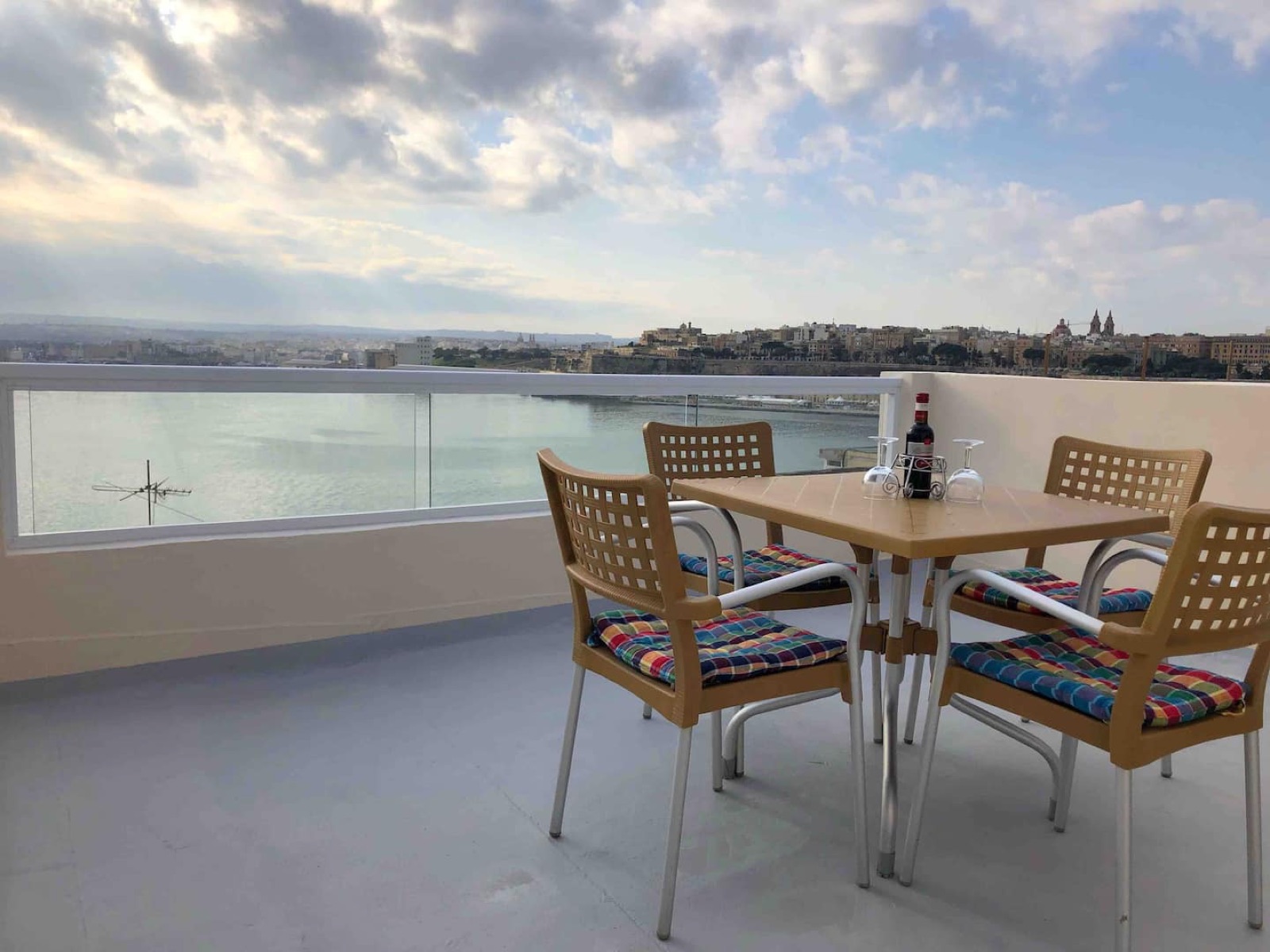
For what it's worth, we host guests year-round at Senglea Harbour View, our traditional Maltese townhouse in Senglea with a roof terrace looking straight across the Grand Harbour to Valletta — sunny enough for breakfast outside in December, a 15-minute walk from the Valletta ferry, and it sleeps six across three bedrooms if you're coming as a family or group. But whichever month and whichever base you choose, the honest summary is this: May–June and September–October for the sea, July–August for full summer, and winter for Malta at its most Maltese. There isn't really a bad time — only a wrong match between the month and what you're hoping to do in it.
Frequently asked questions
What is the best month to visit Malta?
For most visitors, May, June, September or October offer the best balance: typically warm weather around 23–28°C, a sea warm enough for swimming (especially September and October), and smaller crowds than high summer. September is arguably the single best all-round month, with the warmest sea of the year.
Is Malta warm enough to visit in winter?
Yes, for sightseeing rather than beach holidays. From December to February daytime temperatures are typically around 15–18°C with plenty of sunny days, making it one of the mildest spots in Europe. Expect some wind and rain, pack layers, and base yourself in Valletta or the harbour towns, which stay lively all year.
Can you swim in the sea in Malta in October?
Usually, yes. The sea holds its summer warmth well and is typically around 23–24°C for much of October, so swimming is entirely realistic, particularly early in the month. Air temperatures are typically around 21–26°C, though the first autumn storms can bring occasional wet days.
What is the hottest month in Malta?
July and August are the hottest, with daytime temperatures typically around 30–32°C and very little rain. They are also the busiest and most expensive months. If you want heat and warm sea with fewer crowds, September offers similar sea temperatures with gentler air.
Is Malta good for winter sun?
It is one of the better short-haul winter sun options in Europe. You won't sunbathe on a beach in January, but mild temperatures typically around 15–17°C, frequent sunshine and low-season prices make it excellent for walking, history and food-focused trips. Choose a year-round base like Valletta or the Three Cities rather than a summer resort area.